
The Importance of Pre-Purchase Home Inspections Explained

Buying a home is one of the most significant investments many people will make in their lifetime. Yet, despite the emotional excitement that comes with purchasing a new property, it’s crucial to approach the process with a level head. One of the most vital steps in this journey is the pre-purchase home inspection. This blog post will explore why these inspections are essential, what they entail, and how they can save you from future headaches.
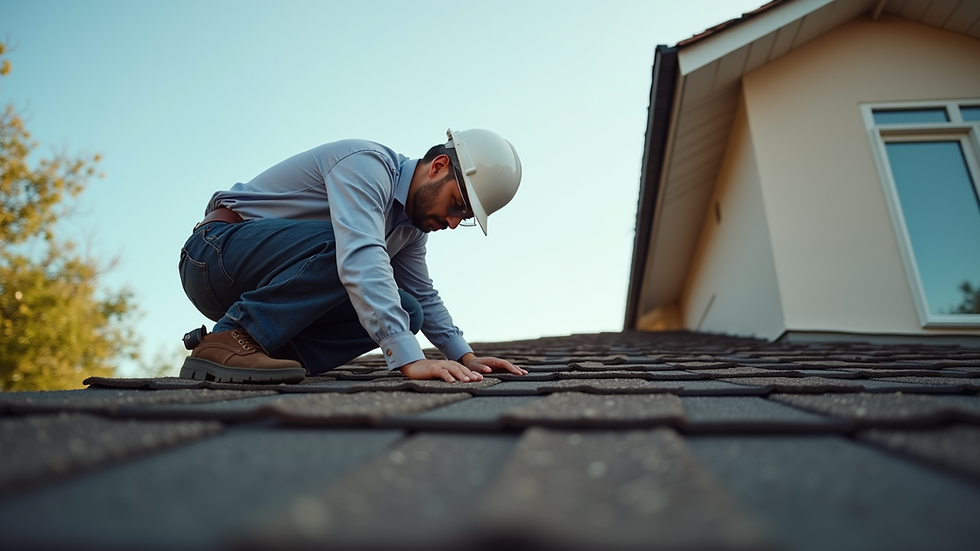
Understanding Pre-Purchase Home Inspections
A pre-purchase home inspection is a thorough examination of a property's condition before the sale is finalized. This inspection is typically conducted by a qualified home inspector who evaluates various aspects of the home, including:
Structural integrity: Checking the foundation, walls, and roof for any signs of damage.
Electrical systems: Ensuring that wiring and electrical panels are up to code and functioning properly.
Plumbing: Inspecting pipes, fixtures, and water heaters for leaks or malfunctions.
HVAC systems: Evaluating heating and cooling systems for efficiency and safety.
Pest infestations: Looking for signs of termites or other pests that could cause damage.
The goal of a pre-purchase inspection is to provide potential buyers with a clear understanding of the property's condition, allowing them to make informed decisions.
Why Pre-Purchase Inspections Are Essential
1. Uncover Hidden Issues
Many homebuyers fall in love with a property at first sight, but appearances can be deceiving. A pre-purchase inspection can reveal hidden issues that may not be immediately visible. For example, a beautiful home may have a leaky roof or outdated electrical systems that could lead to costly repairs down the line. By identifying these problems early, buyers can negotiate repairs or adjust their offers accordingly.
2. Save Money in the Long Run
Investing in a pre-purchase inspection can save buyers significant amounts of money in the long run. According to the American Society of Home Inspectors, the average cost of a home inspection ranges from $300 to $500, depending on the property's size and location. In contrast, the cost of major repairs, such as replacing a roof or fixing plumbing issues, can run into the thousands. By identifying these issues before closing, buyers can avoid unexpected expenses after moving in.
3. Strengthen Negotiation Power
Having a detailed inspection report gives buyers leverage during negotiations. If the inspection reveals significant issues, buyers can request repairs or ask for a reduction in the sale price. This information can be a powerful tool in negotiations, ensuring that buyers do not overpay for a property that requires extensive work.
4. Peace of Mind
Purchasing a home is a significant emotional investment. Knowing that a professional has thoroughly inspected the property can provide peace of mind. Buyers can move forward with confidence, knowing they have made an informed decision based on the home's condition.
5. Identify Safety Hazards
A pre-purchase inspection can also uncover safety hazards that could pose risks to the occupants. For example, faulty wiring, gas leaks, or mold growth can lead to serious health and safety issues. Identifying these hazards before closing allows buyers to address them promptly, ensuring a safe living environment.
What to Expect During a Home Inspection
The Inspection Process
A typical home inspection lasts between two to four hours, depending on the property's size and condition. Here’s what buyers can expect during the process:
Arrival: The inspector will arrive at the property and introduce themselves to the buyer.
Walkthrough: The inspector will conduct a thorough walkthrough of the home, examining both the interior and exterior.
Documentation: The inspector will take notes and photographs of any issues found during the inspection.
Report Generation: After the inspection, the inspector will compile a detailed report outlining their findings, including photographs and recommendations for repairs.
What Buyers Should Do
While the inspector conducts their evaluation, buyers are encouraged to attend part of the inspection so they may ask questions. This is an excellent opportunity to learn about the property's condition and maintenance needs. Additionally, buyers should consider bringing a trusted friend, family member, or their realtor for support and a second opinion.
Common Issues Found During Inspections
Understanding common issues that may arise during a pre-purchase inspection can help buyers prepare for potential negotiations. Here are some frequent findings:
Roof Damage: Missing shingles, leaks, or signs of wear can indicate the need for repairs or replacement.
Electrical Problems: Outdated wiring, insufficient outlets, or faulty circuit breakers can pose safety hazards.
Plumbing Issues: Leaks, corroded pipes, or outdated fixtures can lead to water damage and costly repairs.
Foundation Problems: Cracks in the foundation or uneven floors may indicate structural issues that require attention.
Pest Infestations: Signs of termites or rodents can lead to significant damage if not addressed promptly.
Choosing the Right Home Inspector
Selecting a qualified home inspector is crucial to ensuring a thorough evaluation. Here are some tips for finding the right professional:
Research Credentials: Look for inspectors who are certified by recognized organizations, such as the International Association of Certified Home Inspectors (InterNACHI) or the American Society of Home Inspectors (ASHI).
Read Reviews: Check online reviews and testimonials to gauge the inspector's reputation and reliability.
Ask for Recommendations: Seek referrals from friends, family, or real estate agents who have had positive experiences with inspectors.
Interview Potential Inspectors: Don't hesitate to ask questions about their experience, inspection process, and what is included in their report.
What can't be covered in a home inspection
Home inspectors have a significant amount to examine in a limited timeframe. It's crucial to recognize that they will strive to evaluate all the systems comprising a house, from the roof to the foundation, and everything in between. However, if the inspector cannot see or assess something within the few hours available, they cannot include it in their report. It is not unusual to find "wasn't able to inspect" noted for certain items.
The Cost of Home Inspections
The cost of a pre-purchase home inspection can vary based on several factors, including the property's size, location, and the inspector's experience. On average, buyers can expect to pay between $300 and $500. While this may seem like an added expense, it is a small price to pay compared to the potential costs of unforeseen repairs.
Conclusion
A pre-purchase home inspection is an essential step in the home-buying process. By uncovering hidden issues, saving money, strengthening negotiation power, providing peace of mind, and identifying safety hazards, these inspections play a crucial role in ensuring a successful purchase. As you embark on your home-buying journey, remember that investing in a thorough inspection can lead to a more informed decision and a safer, happier home.
As you prepare to buy your new home, consider scheduling a pre-purchase inspection. It could be the key to unlocking a successful and worry-free homeownership experience.


Comments